Digital Twins with Personalities: Addressing the Challenge of Modular Systems and Fielded Products
In the world of Model Based Systems Engineering (MBSE), the use of models to represent real-world systems has evolved into a practice that now extends beyond the realm of initial design and into the ongoing life cycle of system deployment and maintenance. Central to this development is the concept of the “digital twin.” Initially envisioned as a virtual counterpart to physical systems, a digital twin encompasses all aspects of the system from design to operation. Yet, the term “digital twin” has become somewhat overloaded, meaning different things depending on the industry and application. This diversity of definition introduces ambiguity when an acquirer asks a developer to “deliver a digital twin.” What kind of digital twin is being requested? And more importantly, what are the acceptance criteria for such a digital product?
The healthcare industry provides a compelling example of this definitional challenge. A digital twin of a generic human body for medical research and development is vastly different from the digital twin of a specific patient used for diagnosis and treatment purposes. In other words, the shift from a generalized model to a specific, individualized digital twin involves a fundamental change in the nature of the twin itself. Similarly, in complex systems development, such as aircraft, an “as-designed” digital twin may represent the system’s theoretical performance. Still, the digital twin of a fielded aircraft, complete with feedback from real-world operations, becomes highly individualized, reflecting the specific conditions and wear of the actual system in use.
The Evolution of Digital Twins: From Abstraction to Personality
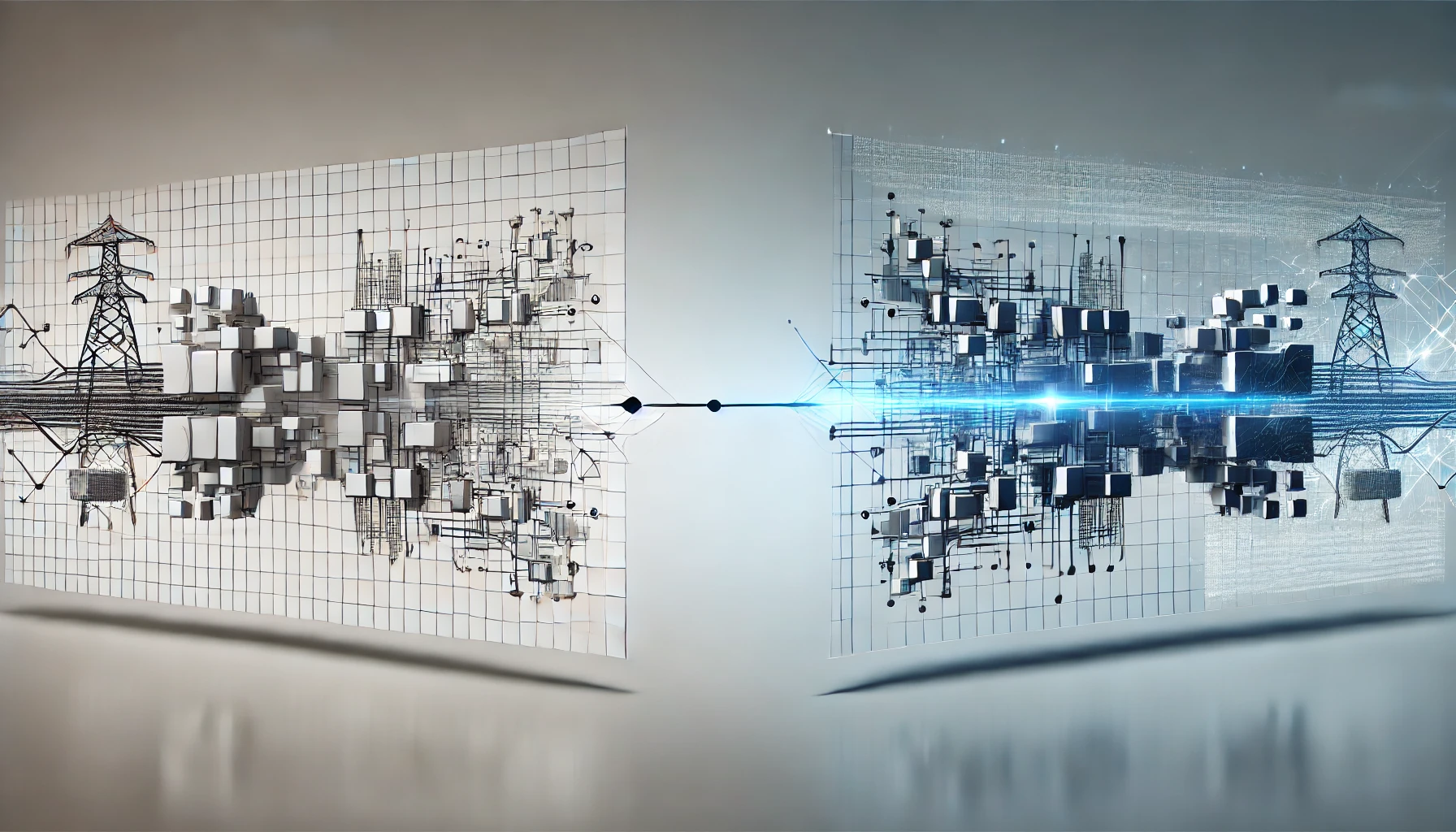
This evolution of a digital twin from a theoretical design tool to a fully realized, real-world model introduces a concept that I call “personality.” Much like how a human individual’s experiences shape their personal identity, a system’s interaction with the real world shapes its digital twin, adding complexity and uniqueness as it moves from an abstract model to a real-world representation.
When discussing digital twins, most people tend to think of the high-level model that is created at the system’s design phase. In this phase, the digital twin serves as a prototype, representing the intended functionality, components, and interconnections of a system. At this stage, the digital twin is useful for simulating the system’s performance under different conditions, allowing developers to experiment with design changes, configurations, and system behavior without needing the physical counterpart. However, as systems are deployed and start interacting with real-world environments, their digital twins need to be updated with operational data. This data informs the twin about actual conditions and usage patterns, bringing the model closer to its physical counterpart and giving it its “personality.”
In practical terms, this shift means that as digital twins evolve, they gain new layers of complexity and specificity. The personality of a digital twin can be seen in the transition from a generalized design model to an individualized, real-world system model that reflects the operational wear and tear, environmental interactions, and even the unique conditions of the system’s deployment. This is particularly important for fielded systems where the continuous monitoring and feedback loop between the physical system and its twin enables predictive maintenance, optimization, and system performance tracking.
For example, consider a fleet of aircraft. The digital twin of a newly designed aircraft is initially a representation of its “as-designed” specifications. Over time, as each aircraft in the fleet is deployed, their digital twins evolve with operational data, reflecting not just how they were built but how they perform under actual conditions. The digital twin for each aircraft develops its own “personality,” shaped by maintenance schedules, flight routes, wear from environmental factors, and more. This personality is crucial when determining how system components should be replaced or maintained, as it allows developers and maintainers to make decisions based on the specific conditions of an individual aircraft rather than relying solely on generic data.
Modular Systems and Personality in Digital Twins
The challenge of modular systems adds another layer of complexity to the concept of digital twin personalities. In many industries, complex systems are made up of modular components that can be replaced or upgraded throughout their life cycle. However, when a module is replaced in a fielded system, it introduces new variables to the system’s behavior. How does this new module interact with the other components? Does it introduce any unforeseen risks or performance issues? And how can these changes be accurately reflected in the system’s digital twin?
This is where the personality of a digital twin becomes invaluable. As systems are deployed and evolve, their digital twins must account for not just the design and specifications of the individual modules but also how these modules interact with one another in real-world operation. When a module is replaced, the digital twin needs to be updated to reflect these changes, capturing how the system as a whole responds to the new configuration. This allows engineers to predict potential issues and make informed decisions about system upgrades or replacements.
Moreover, the personality of a digital twin can serve as a powerful tool for evaluating the impact of module replacement across a fleet of systems. In industries like aviation, where modular upgrades are common, understanding how individual systems respond to component changes is crucial for maintaining performance and safety standards. Digital twins with well-developed personalities enable engineers to simulate these changes in advance, reducing the risk of unexpected system failures or performance degradation.
Implications for Acquirers and Developers
The diversity in how digital twins are defined across industries complicates matters when acquirers request a “digital twin” from developers. Without clear definitions and acceptance criteria, it becomes challenging to determine what kind of digital twin is being requested. Is it a generalized model of the system as designed? Or is it a fully realized, real-world digital twin that incorporates operational data and reflects the system’s unique personality?
To mitigate this ambiguity, it is essential for both acquirers and developers to establish clear requirements for digital twins early in the project. Defining the scope, purpose, and level of fidelity for the digital twin upfront can help ensure that the delivered product meets expectations and serves its intended function. In addition, as systems evolve and their digital twins develop personalities, it is critical to maintain an open dialogue between stakeholders to ensure that the twin remains an accurate reflection of the system’s real-world performance.
Conclusion
Digital twins represent an exciting advancement in MBSE, enabling more accurate simulations and real-time monitoring of complex systems. However, as digital twins evolve from abstract design models to individualized representations of real-world systems, they develop personalities that reflect their unique conditions and operational histories. Understanding and accounting for these personalities is essential for maintaining system performance and ensuring that modular upgrades are successful.
By recognizing the evolving nature of digital twins and defining clear requirements from the outset, acquirers and developers can ensure that digital twins deliver the value they promise while minimizing risks associated with system upgrades and maintenance.